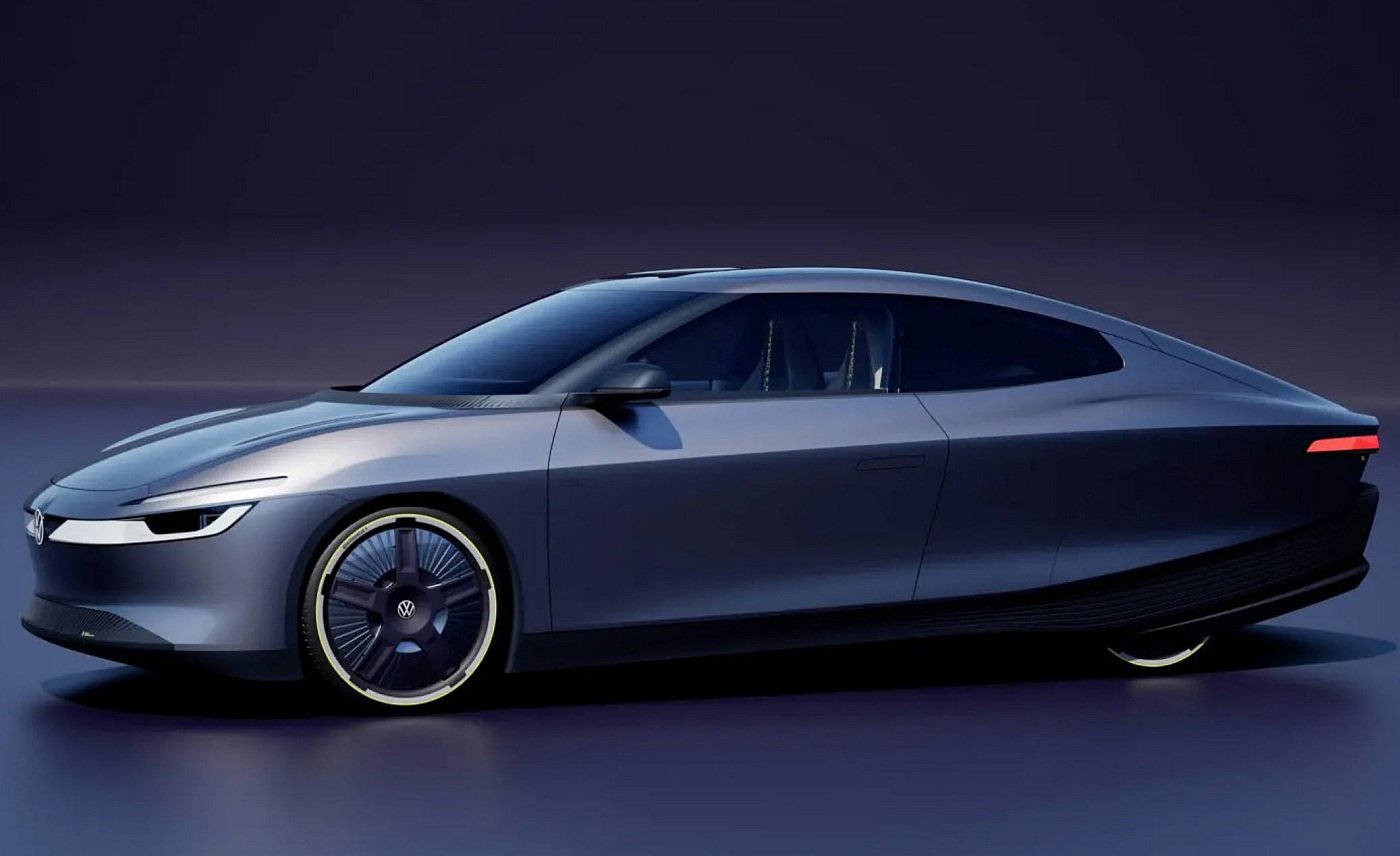
Volkswagen’s Mission Efficiency concept suggests the next major EV breakthrough may come from using less energy rather than installing ever-larger batteries. The streamlined four-seater completed a 1,278.36-kilometer journey from Wolfsburg to Vienna with only one charging stop, averaging just 6.89 kWh/100 km—or 7.51 kWh/100 km when charging losses are included. For comparison, Tesla quotes roughly 13 kWh/100 km for the Model 3.
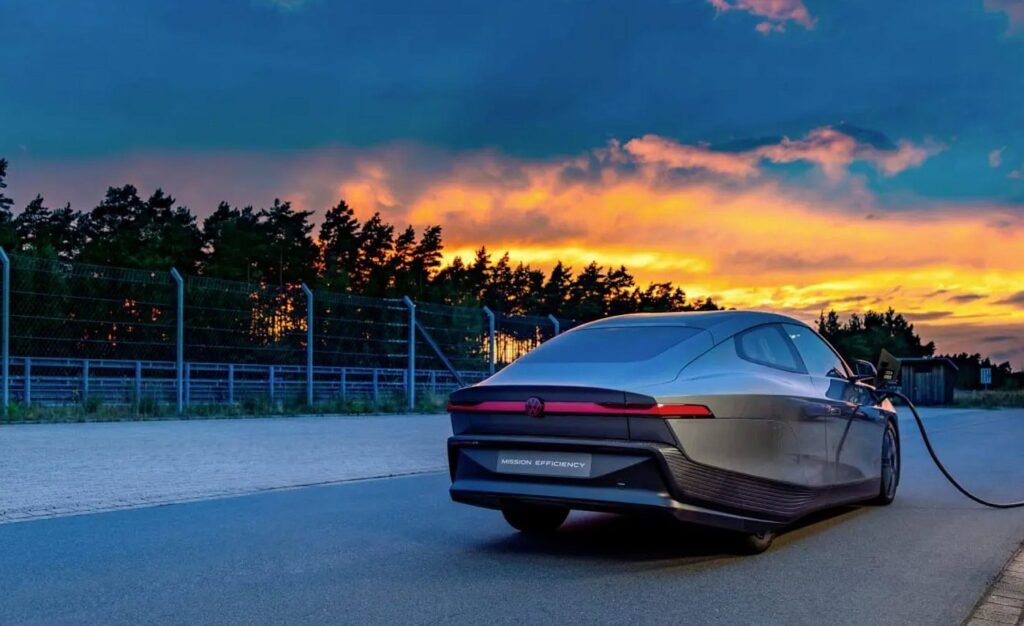
That remarkable figure is largely the result of a body shaped by airflow. The long, low silhouette narrows toward the rear, while covered back wheels, a fully enclosed underbody and three active cooling flaps help produce a drag coefficient of only 0.158. Volkswagen claims the car is over 30 percent more efficient than the ID. Polo above 80 km/h, consuming about as much energy at 140 km/h as the smaller EV does at 100 km/h.
Underneath the futuristic skin is surprisingly grounded technology. Mission Efficiency uses Volkswagen’s front-wheel-drive MEB+ platform, a 99 kW motor producing 135 hp and an ID. Polo-derived battery. Software unlocks 54.9 kWh of usable capacity instead of the production version’s 52 kWh, sacrificing some long-term battery protection for record attempts. The concept can reach 100 km/h in nine seconds and has a top speed of 160 km/h.
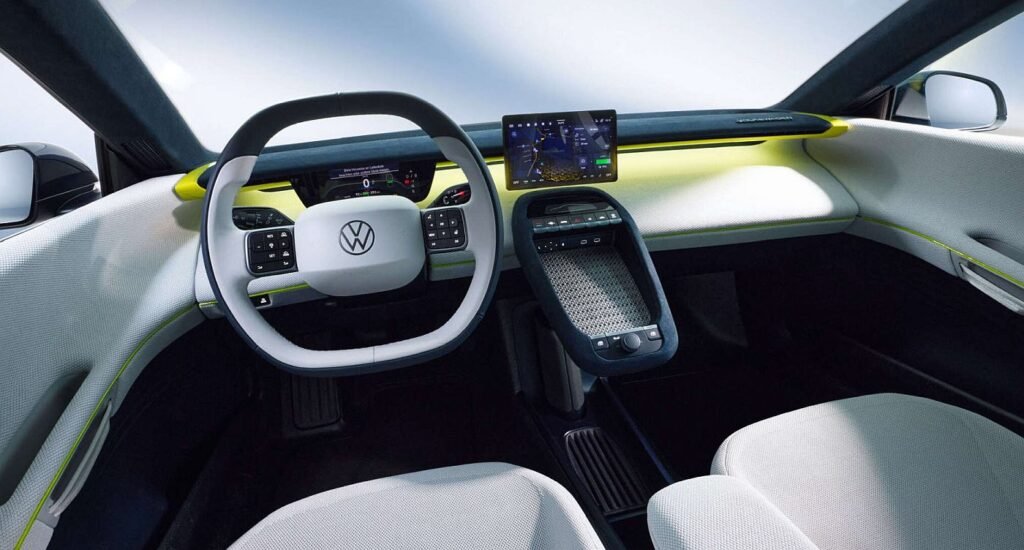
The obsession with efficiency continues inside. Instead of a built-in infotainment display, occupants attach a smartphone or tablet to a magnetic mount. A portable Bluetooth speaker replaces conventional integrated audio hardware, while the window switches move to the center console to simplify wiring. It is a clever, minimalist cabin, although the 2+2 rear seats are suitable mainly for children or passengers under approximately 1.60 meters tall.
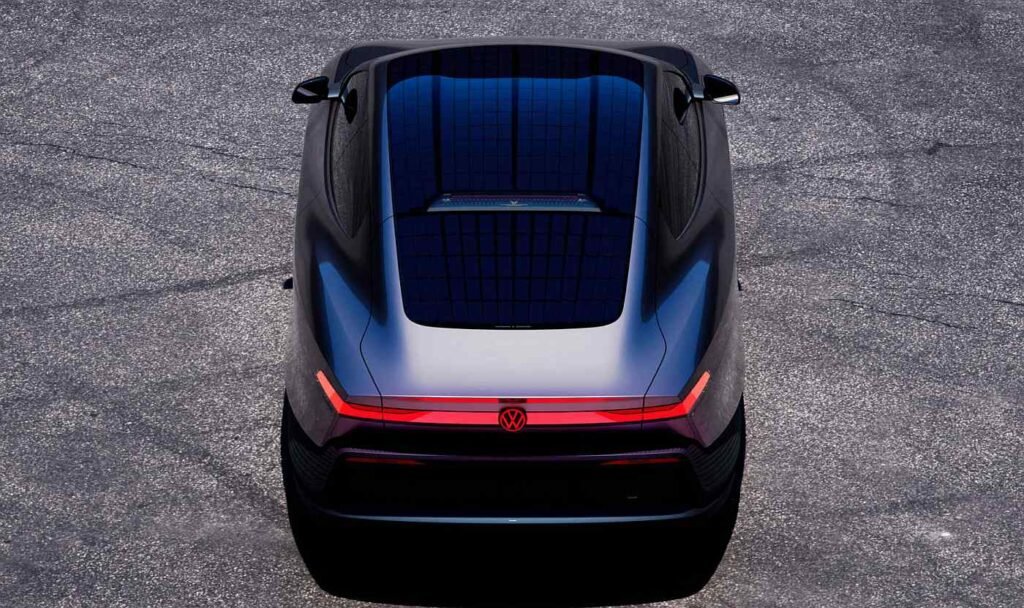
Solar panels rated at 370 W cover the roof and rear hatch, powering auxiliary systems rather than the high-voltage battery and potentially preserving up to 30 kilometers of range per day in ideal conditions. Mission Efficiency is road-legal in Europe but remains a prototype with no production plans. Like Volkswagen’s ultra-efficient XL1 before it, this sleek machine asks a compelling question: what if the future of electric mobility is lighter, simpler and dramatically less power-hungry?
via Volkswagen