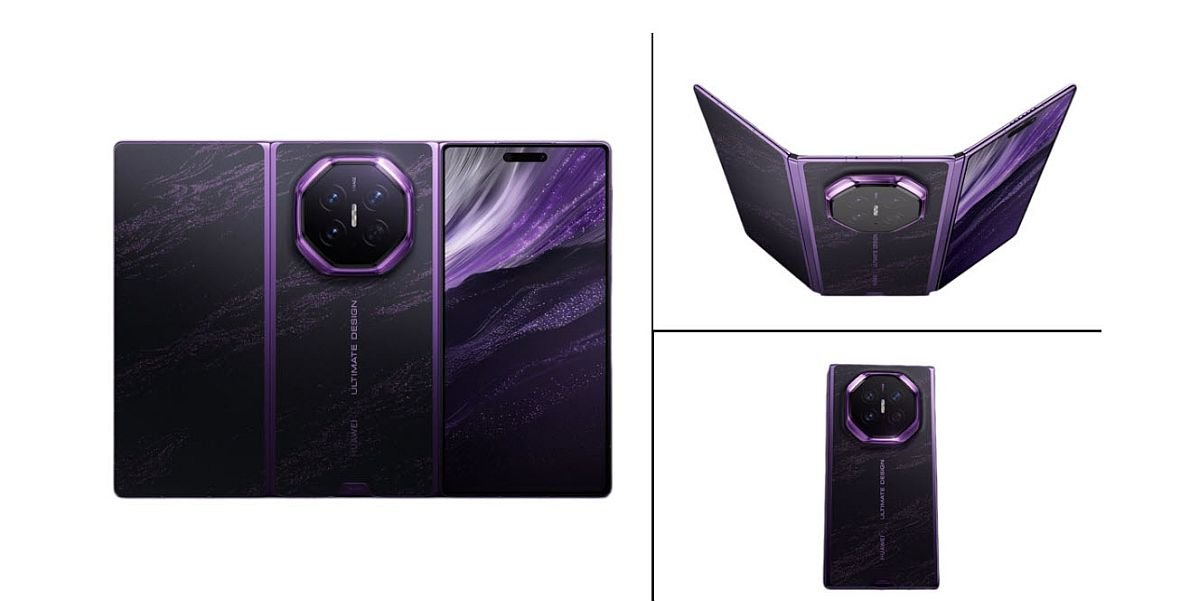
Huawei appears ready to completely rethink its tri-fold formula with the Mate XT 2, replacing the original Mate XT’s exposed Z-shaped folding mechanism with a U-shaped design that keeps the flexible display protected when the phone is closed. The new flagship is expected to debut in China on September 7.
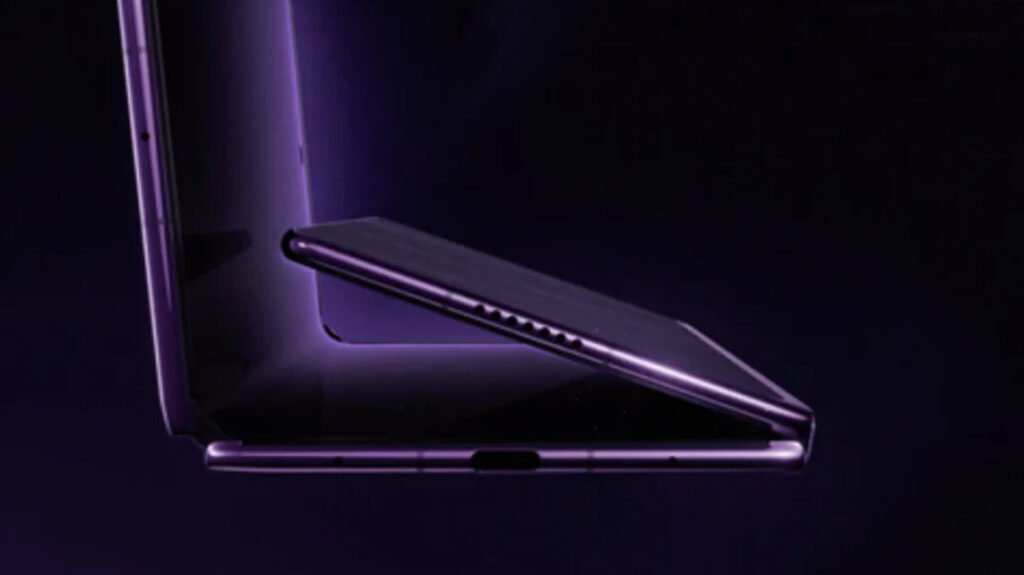
Huawei pioneered the commercial tri-fold phone with the Mate XT in 2024, but its next model appears to borrow a page from Samsung’s Galaxy Z TriFold. Images apparently taken from a promotional video show the Mate XT 2 using two inward-folding sections. The right panel folds first, followed by the left, sandwiching the large flexible screen safely inside. It’s a less adventurous approach than the original Mate XT, but potentially a much more practical one given how expensive large foldable displays are to replace.
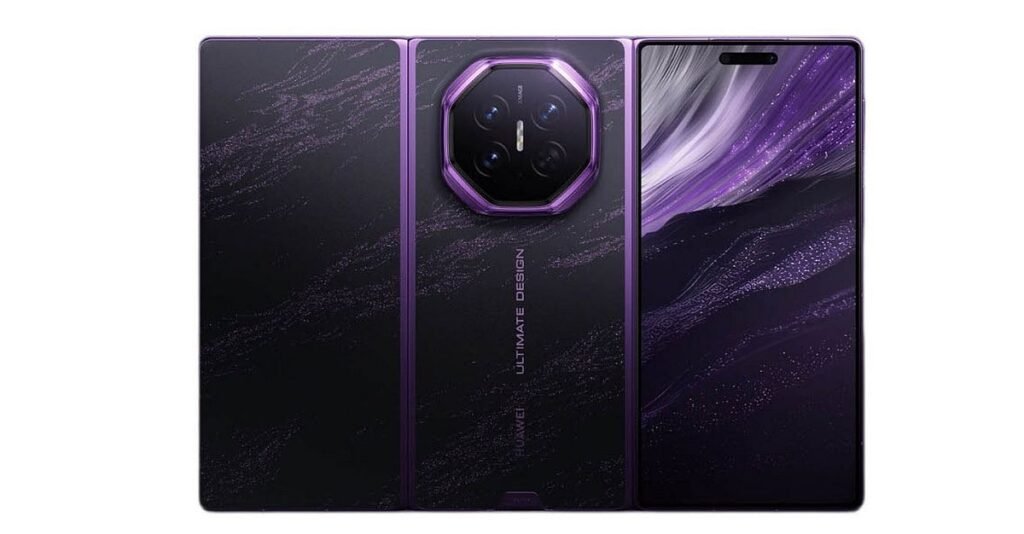
The redesign also gives the Mate XT 2 a dedicated outer display. Huawei has placed a pill-shaped cutout near the top of that screen, suggesting the company could bring its 3D facial-recognition hardware to the tri-fold. Around back, there’s a familiar octagonal camera island positioned on the central section, housing three cameras and a centrally mounted flash. The leaked purple finish, matching hinges and metallic camera surround give the phone a considerably more cohesive look than Huawei’s first-generation experiment.
Huawei is also expected to equip the Mate XT 2 with the Kirin 9030S, the same processor used in several of its recent flagships, paired with the Maleoon 935F GPU. More importantly, it should become the first smartphone to ship with HarmonyOS 7. Huawei says the updated Ark Engine integrates a system-level large model trained using more than two billion scene-learning data points, contributing to a claimed 15-percent performance improvement.
The Mate XT 2 Ultimate Design is expected to launch in China on September 7, 2026. There’s no indication of a global release yet. If these leaked promotional materials are genuine, though, Huawei’s second major tri-fold redesign is less about showing how many ways a screen can bend and more about making the whole concept durable enough to live with every day.
via notebookcheck
1 thought on “Huawei Mate XT 2 leak shows a safer U-shaped tri-fold design”