
NVIDIA’s upcoming DLSS 5 has leaked months ahead of its official debut, giving PC gamers an early — and rather bizarre — look at the company’s next generation of neural rendering. Extracted from an early-access PC build of NBA 2K27, the unfinished technology has already been injected into games including Control and Skyrim, with results that range from impressive to deeply uncanny.
DLSS 5 represents a bigger departure from traditional upscaling than previous generations. Instead of primarily reconstructing a higher-resolution image, NVIDIA says its new neural rendering model can “infuse” rendered pixels with photorealistic lighting and materials. In theory, that should make games appear substantially more realistic without developers having to completely rebuild their assets.
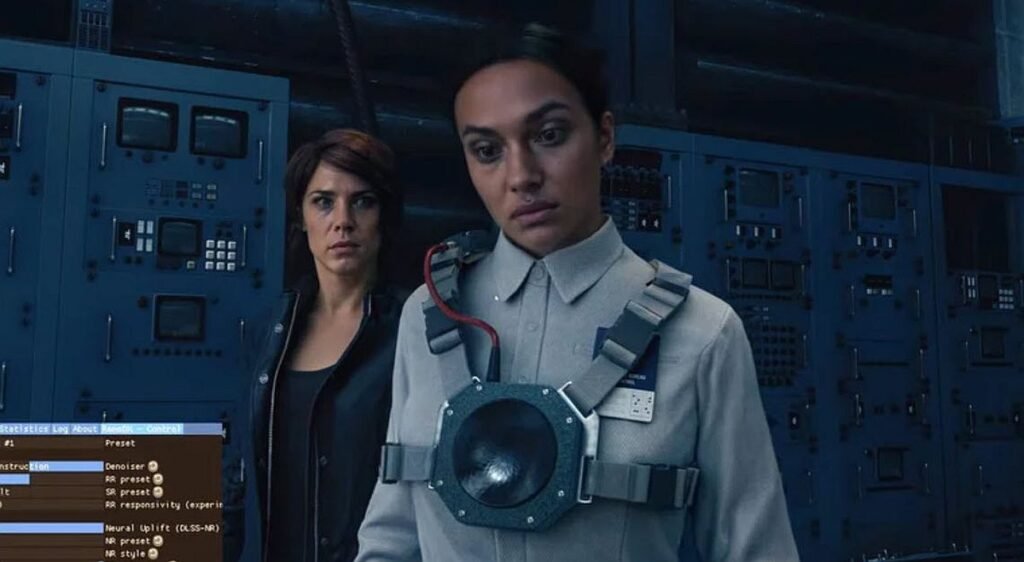
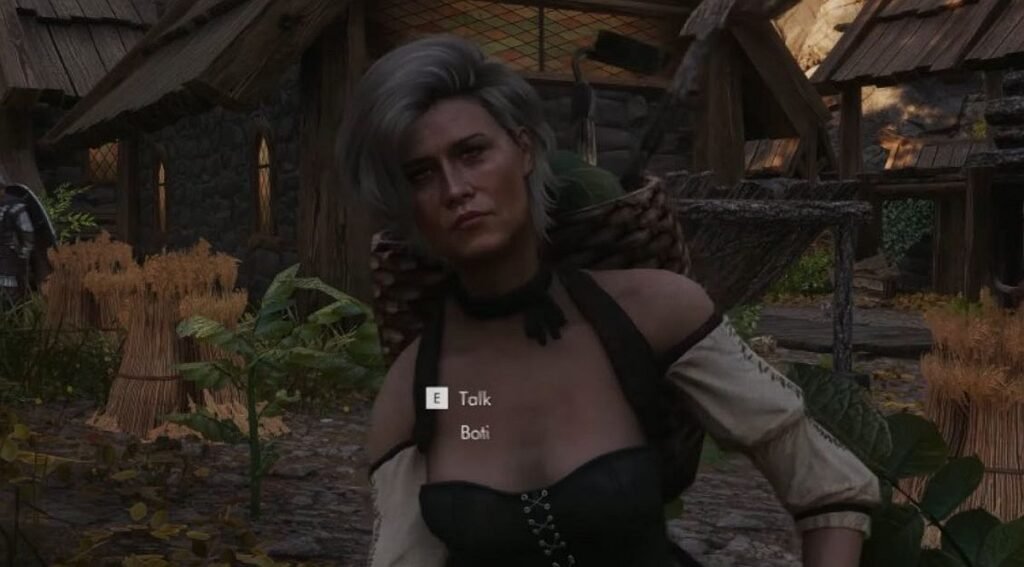
The leaked version shows why that approach could also be problematic. In Control, Jesse Faden’s face is transformed so dramatically that the character appears considerably older, despite retaining the same underlying model and animations. Skyrim produces an even stranger effect, with highly realistic-looking faces seemingly pasted onto character models and animations designed more than a decade ago. The mismatch between photorealistic skin, older geometry and stiff facial animation pushes the results firmly into uncanny-valley territory.
There also appears to be a significant performance cost, at least in this unfinished implementation. Testing shared online reportedly shows Control dropping from around 71 FPS to 35 FPS at 4K on an RTX 5070 Ti when Neural Rendering is enabled. That makes these early experiments difficult to recommend beyond their novelty, although they shouldn’t necessarily be considered representative of the finished technology.
NVIDIA is expected to officially launch DLSS 5 this fall, when developers will be able to integrate the technology properly into their games. Those implementations should provide a much better indication of whether neural rendering can deliver the photorealistic leap NVIDIA is promising — or whether gamers are about to encounter some very realistic-looking characters trapped inside very obviously virtual worlds.
via Engadget